
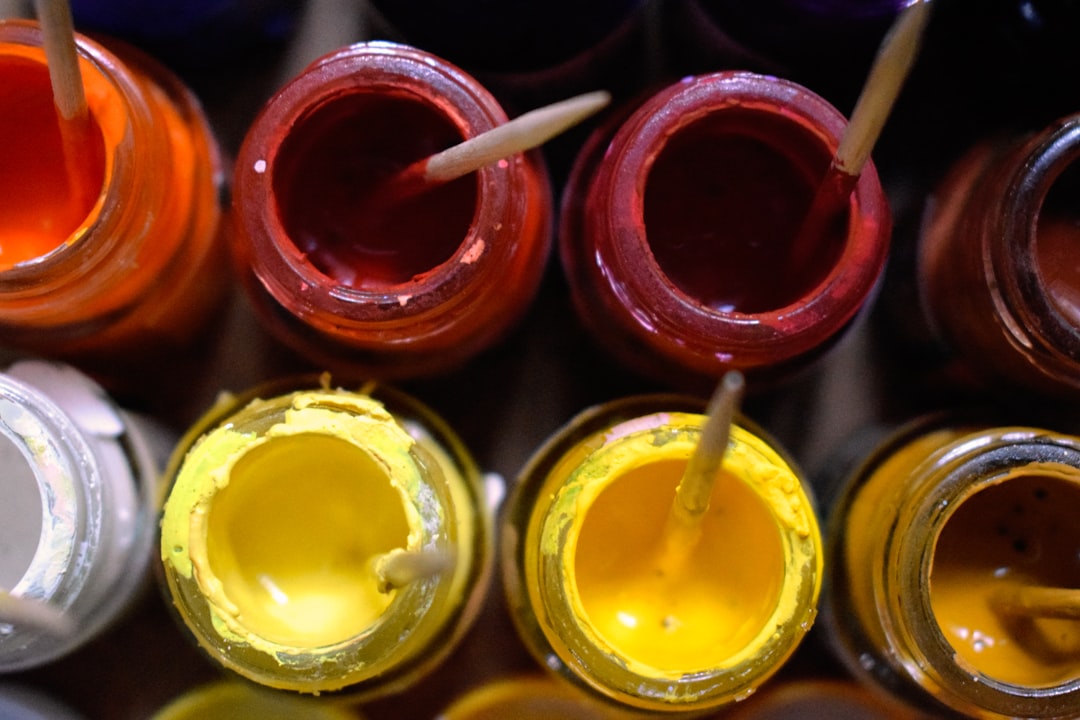
When I first stumbled upon spiritedhues.com, I was a novice in the world of fabric painting. My friend Sarah had invited me to a DIY craft night, and I felt completely out of my depth. I wanted to create something beautiful, but I was unsure how to approach painting on fabric. After browsing through the vibrant selection of fabric paints on spiritedhues.com, I decided to take the plunge and transform my old t-shirts into unique pieces of art.
Understanding Different Fabric Types
Before diving into the painting process, it’s crucial to understand the types of fabrics you’ll be working with. Cotton is one of the most popular choices for fabric painting due to its absorbency and smooth texture. It allows the paint to adhere well and provides a vibrant finish. On the other hand, synthetic fabrics like polyester can be a bit tricky, as they may require special fabric paints designed to bond with non-porous surfaces. Knowing your fabric type will help you choose the right paint and technique for your project.
Another important fabric to consider is canvas, which is often used for bags and shoes. Canvas is durable and can handle a variety of paint types, making it a favorite among artists. However, it’s essential to pre-wash your canvas to remove any sizing that may interfere with paint adhesion. By understanding the characteristics of each fabric type, you can set yourself up for success in your fabric painting endeavors.
Choosing the Right Fabric Paint
At spiritedhues.com, I discovered a wide array of fabric paints, each with its unique properties. For my cotton t-shirts, I opted for a water-based fabric paint that promised vibrant colors and easy cleanup. These paints are ideal for beginners as they are non-toxic and can be easily washed out of brushes and hands. Additionally, they dry quickly, allowing me to layer colors without waiting too long.
For my canvas bag, I decided to try out a fabric spray paint. This option was perfect for creating an ombre effect that I had seen online. The spray paint allowed me to cover large areas quickly and achieve a smooth gradient. However, I learned that it’s essential to work in a well-ventilated area and protect surfaces from overspray. Choosing the right paint for each fabric type made a significant difference in the final outcome of my projects.
Preparing Your Workspace
Creating a comfortable and organized workspace is vital for any crafting project. I set up my painting station with all the necessary supplies from spiritedhues.com, including brushes, stencils, and a palette for mixing colors. I also laid down a plastic drop cloth to protect my table from any accidental spills. Having everything within reach allowed me to focus on my creativity without unnecessary distractions.
Additionally, I made sure to have a few paper towels handy for quick cleanups. As I began painting, I realized that having a clean workspace not only kept my area tidy but also helped me feel more in control of the process. A well-prepared workspace can enhance your painting experience and lead to better results.
Techniques for Painting on Fabric
Once I had my materials ready, I was eager to start painting. I began with my cotton t-shirt, using a simple sponge technique to create a tie-dye effect. By dabbing different colors onto the fabric, I achieved a fun and vibrant look. I learned that layering colors can create depth and interest, so I didn’t hesitate to experiment with various combinations.
For my canvas bag, I used stencils to create a geometric design. This technique allowed me to achieve clean lines and precise shapes. I applied the spray paint in light layers, building up the color gradually. It was exciting to see my ideas come to life, and I felt a sense of accomplishment with each stroke. The techniques I learned not only improved my skills but also boosted my confidence as a fabric artist.
Lesson Learned: Embrace Your Creativity
As I wrapped up my projects, I reflected on my journey from a hesitant beginner to a confident fabric painter. The experience taught me that creativity knows no bounds, and with the right tools and techniques, anyone can create beautiful art on fabric. I realized that it’s okay to make mistakes along the way; they often lead to unexpected and delightful outcomes.
Spiritedhues.com became my go-to resource for all things fabric painting, and I encourage anyone looking to explore this art form to dive in. Whether you’re painting on cotton, canvas, or any other fabric type, remember to have fun and let your imagination run wild. Your unique creations will not only brighten your wardrobe but also inspire others to unleash their creativity.