
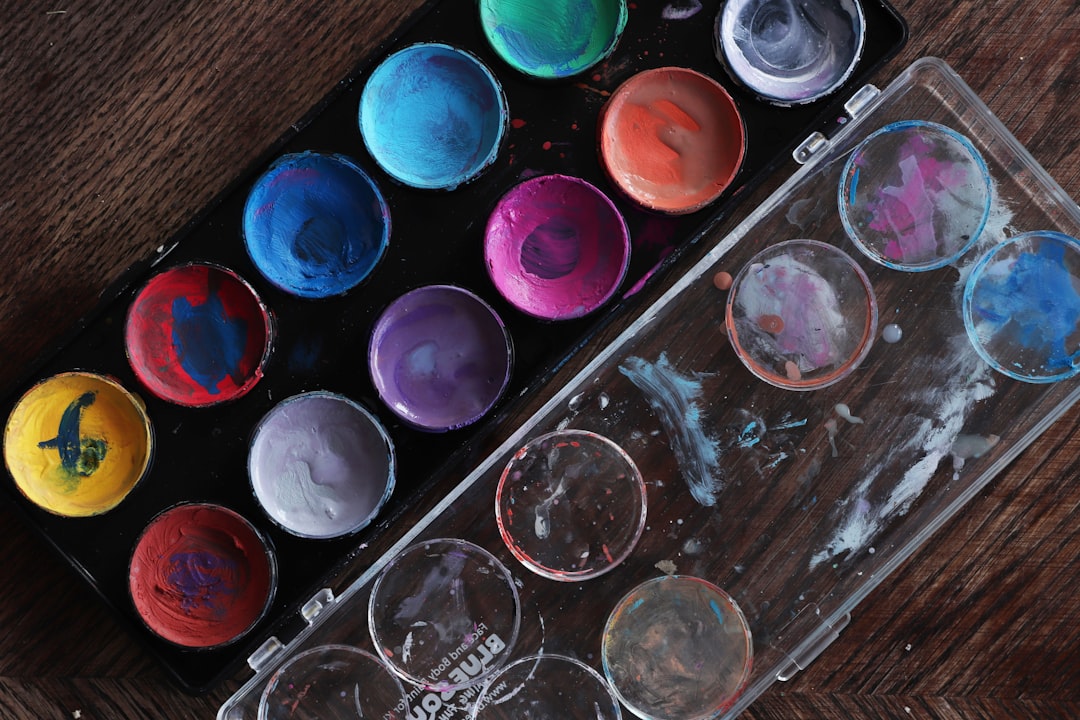
In the vibrant world of fashion, fabric painting has emerged as a popular trend, allowing individuals to express their creativity and personal style. With the rise of e-commerce platforms like spiritedhues.com, consumers now have access to a wide variety of fabric paints that cater to diverse tastes and preferences. This article explores the latest trends in fabric painting colors, the purchasing behavior of consumers, and the implications for the fashion industry.
Current Market Trends in Fabric Painting
The fabric paint market has seen significant growth in recent years, driven by an increasing interest in DIY fashion and customization. According to recent statistics, the global fabric paint market was valued at approximately $1.2 billion in 2021 and is projected to reach $1.8 billion by 2025, reflecting a compound annual growth rate (CAGR) of 9.5%. This surge indicates a growing consumer desire for unique, personalized clothing items that stand out in a crowded market.
As consumers become more aware of sustainable fashion practices, fabric painting offers an eco-friendly alternative to fast fashion. By transforming old garments into new masterpieces, individuals can reduce waste while showcasing their artistic flair. The trend of upcycling through fabric painting not only promotes sustainability but also aligns with the values of younger consumers who prioritize ethical consumption.
Popular Colors and Their Influence
Color trends in fabric painting are heavily influenced by seasonal fashion shows and color forecasting agencies. For instance, shades like terracotta, sage green, and vibrant yellows have dominated recent collections, reflecting a shift towards earthy and natural tones. These colors resonate with consumers seeking to create a calming and grounded aesthetic in their wardrobe, making them ideal choices for fabric painting projects.
Moreover, the psychological impact of colors plays a crucial role in consumer preferences. Research indicates that colors can evoke specific emotions and associations, influencing purchasing decisions. For example, blue is often associated with tranquility and trust, while red can evoke feelings of excitement and passion. Understanding these associations can help consumers select colors that not only enhance their clothing but also reflect their personality and mood.
Consumer Behavior and Purchasing Patterns
Recent studies reveal that online shopping for fabric paints has surged, with a notable increase in purchases during the pandemic. Many consumers turned to creative hobbies as a means of coping with stress, leading to a 35% increase in fabric paint sales on e-commerce platforms. This shift in consumer behavior highlights the importance of providing a seamless online shopping experience, as customers seek convenience and variety when selecting their fabric paints.
Additionally, social media platforms have played a pivotal role in shaping consumer preferences. Influencers and artists showcasing their fabric painting projects have inspired countless individuals to explore their creativity. As a result, brands like spiritedhues.com have capitalized on this trend by offering curated collections of trending colors and easy-to-use fabric paints, catering to both novice and experienced artists alike.
Key Insights for Future Growth
Key Insight: The growing interest in fabric painting and customization presents a lucrative opportunity for e-commerce platforms to expand their offerings and engage with consumers. By focusing on trending colors and sustainable practices, brands can attract a loyal customer base eager to express their individuality through fashion.
As the fabric paint market continues to evolve, it is essential for businesses to stay attuned to consumer preferences and emerging trends. By leveraging data analytics and consumer feedback, companies can refine their product offerings and marketing strategies to meet the demands of a dynamic market. Ultimately, the intersection of creativity, sustainability, and technology will shape the future of fabric painting in fashion.